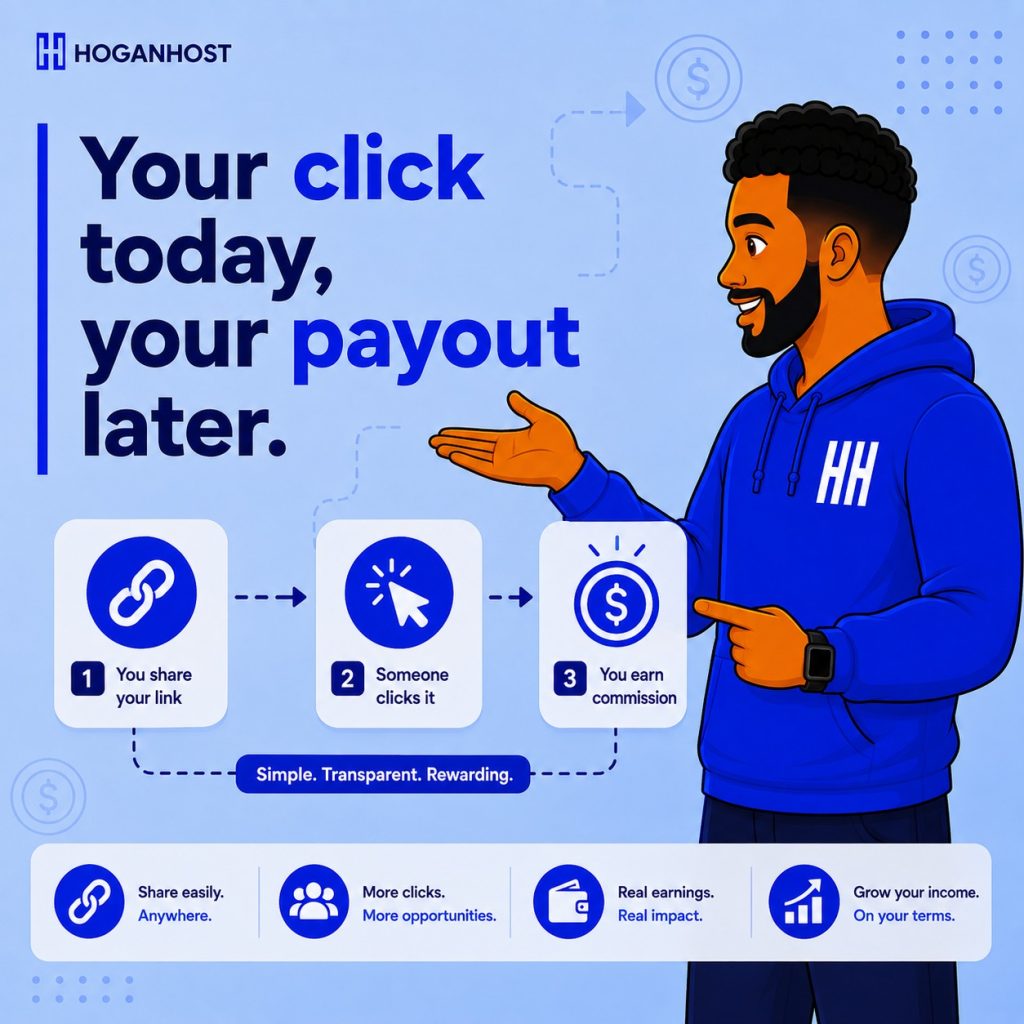
You shared your affiliate link, someone clicked it, and now you are wondering exactly how and when that translates into actual money in your account. Here is how affiliate commission payment genuinely works, step by step.
Step 1: Understand How A Click Gets Tracked Back To You
When someone clicks your unique affiliate link, a small tracking file, called a cookie, is placed in their browser, or the click is logged against your specific affiliate ID. This is what allows the affiliate program to know that a resulting purchase came through your specific recommendation, rather than someone else’s, even if the actual purchase happens minutes, hours, or sometimes days later.
Step 2: Know Your Program’s Cookie Duration
Every affiliate program sets a specific cookie duration, the window of time after a click during which a purchase still counts as your referral. This can range from as short as 24 hours to as long as 90 days or more, depending on the specific program.
A longer cookie duration genuinely matters, since it means you still get credit even if the person you referred takes their time deciding before actually completing the purchase, rather than buying immediately after clicking.
Step 3: Understand What Counts As A Qualifying Action
Not every affiliate program pays commission purely for a completed sale. Some pay for other specific qualifying actions instead, or in addition.
- Pay per sale, the most common structure, where commission is earned once a referred purchase is completed
- Pay per lead, where commission is earned once a referred visitor completes a specific action, like signing up for a trial or submitting a form, regardless of whether they eventually purchase
- Recurring commission, where you continue earning a commission on an ongoing basis for as long as a referred customer remains subscribed or continues renewing, common with hosting and subscription-based services
Step 4: Know That Commissions Are Typically Held Before Becoming Payable
Most affiliate programs do not release your commission the instant a sale happens. Instead, commissions typically move through a pending status first, held for a set period to account for potential refunds, cancellations, or chargebacks. Once this holding period passes without a reversal, the commission moves to an approved or payable status.
This holding period exists to protect the company from paying out commission on a sale that later gets refunded, and it is a completely standard, normal part of how affiliate programs operate, not a sign of a problem.
Step 5: Understand The Program’s Payout Schedule
Once your commission is approved, it still needs to reach an actual payout cycle. Most programs run on a regular schedule, whether weekly, monthly, or another set interval, rather than paying out individual commissions the moment they clear.
Step 6: Check The Minimum Withdrawal Threshold
Most affiliate programs require your accumulated, approved commission to reach a minimum amount before you can actually withdraw it. This threshold varies considerably between programs. The HoganHost Affiliate Program, for example, sets this at a fair ₦15,000, alongside a 50 percent commission rate and an automatic ₦200 signup bonus, both meaningfully more generous than many programs offering only 5 to 10 percent commission with a much higher withdrawal bar.
Step 7: Confirm Your Payout Method Is Set Up Correctly
Before you can actually receive a payout, confirm your account has a valid payout method properly configured, whether that is a bank transfer, a specific payment platform, or another method your specific affiliate program supports. An incomplete or incorrectly entered payout detail is a common, avoidable reason for a delayed first payment.
Step 8: Track Your Dashboard Rather Than Guessing
Every legitimate affiliate program provides a dashboard showing your clicks, pending commissions, approved commissions, and payout history in real time. Check this regularly rather than assuming based on your own promotional activity alone, since it gives you an accurate, current picture of exactly where your earnings stand at each stage.
Step 9: Understand Why A Commission Might Not Convert
Occasionally, a click does not result in a paid commission even though you were confident it should have. Common reasons include the cookie expiring before the purchase happened, the buyer clearing their browser cookies between the click and the purchase, or the buyer eventually canceling or refunding their order during the holding period.
Common Mistakes To Avoid
- Assuming a commission is guaranteed the moment a click happens, without accounting for the standard holding and approval process.
- Never checking the program’s specific cookie duration, missing why some referrals do not convert as expected.
- Leaving payout details incomplete, delaying your first withdrawal unnecessarily.
- Choosing a program based on commission rate alone, without checking the withdrawal threshold and payout reliability too.
Understanding exactly how affiliate commissions move from a click to real money in your account removes much of the confusion new affiliates experience, and helps you choose programs with genuinely fair, transparent terms.
Ready to start earning with a program that pays fairly and clearly? Join the HoganHost Affiliate Program and start tracking your real earnings today.