
A customer ready to buy will abandon the entire purchase if their preferred payment method is not available at checkout, regardless of how much they wanted the product a moment earlier. For Nigerian online stores specifically, the choice between offering bank transfer, card payments, or both is not a minor technical detail. It directly shapes conversion rates.
Nigerian payment behavior does not mirror international patterns, which makes this decision worth understanding properly rather than defaulting to whatever a checkout platform sets up automatically.
Understanding the Nigerian Payment Landscape
Unlike many international markets where card payments dominate online transactions, Nigeria shows a genuinely mixed picture. Bank transfers have grown to represent a leading share of Nigerian ecommerce payments, driven partly by historical card failure rates and partly by strong existing trust in direct bank transfers through banking apps that most Nigerians already use daily.
Cards remain a major payment method as well, particularly debit cards, but the assumption that card payment alone covers most of the market does not hold up well against actual Nigerian consumer behavior data.
Why Bank Transfer Has Become So Popular
Modern bank transfer payment solutions, using dynamic virtual account numbers generated per transaction, have made this method significantly more reliable than the old manual transfer and confirmation process that used to cause delays and errors. A customer transfers through their own familiar banking app, and the payment gets verified automatically within moments, without requiring the awkward back-and-forth confirmation that manual bank transfers once required.
This method also avoids the card decline issues that have historically frustrated Nigerian online shoppers, since it does not depend on card network authorization, which can fail due to bank-side fraud triggers or connectivity issues even when a customer has sufficient funds.
Why Card Payments Still Matter
Despite bank transfers’ growth, card payments remain important, particularly among certain customer segments, urban professionals, businesses making B2B purchases, and customers already comfortable with international ecommerce patterns. Card payments also tend to feel more familiar to customers accustomed to shopping on major international platforms.
For subscription-based or recurring billing models specifically, cards remain considerably more practical than bank transfer, since a saved card can be charged automatically for renewals, whereas bank transfer typically requires an active, manual action from the customer for each individual payment.
Why Offering Both Is Almost Always the Right Answer
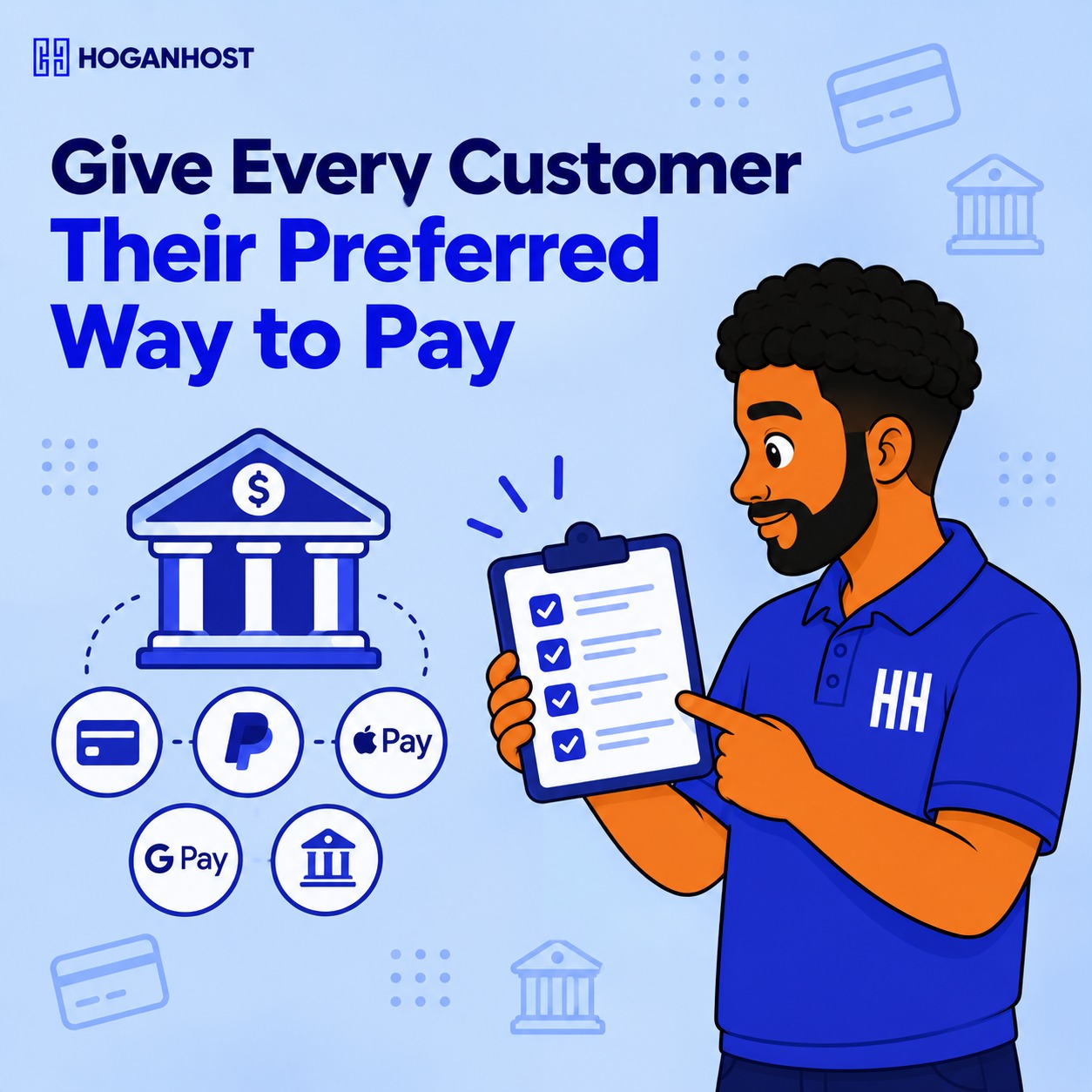
Rather than choosing one method exclusively, the strongest approach for most Nigerian online stores is offering both bank transfer and card payments side by side at checkout, letting each customer choose whichever method they trust and prefer.
This single decision alone often reduces cart abandonment significantly, since a customer who does not trust or does not want to use a card is not forced into it, and a customer who prefers the speed and convenience of a saved card is not forced into a manual transfer process instead.
Adding USSD as a Third Option Worth Considering
Beyond bank transfer and cards, USSD payment, allowing customers to pay by dialing a code on any phone without needing internet access or a smartphone, captures an additional segment of customers who might otherwise be excluded entirely, particularly in areas with unreliable internet connectivity.
Most modern Nigerian payment gateways bundle USSD alongside bank transfer and card support within the same integration, meaning offering all three does not require significantly more technical setup than offering just one or two.
Considering Transaction Fees for Each Method
Payment gateways often charge different fee structures for bank transfers versus card transactions, and these differences can matter for high-volume, low-margin businesses. Review your specific gateway’s fee schedule for each method, since the cheaper option for the business is not always the one customers prefer most, requiring a balance between cost efficiency and customer convenience.
Making the Decision Based on Your Specific Customers
The right mix ultimately depends on understanding your own specific customer base rather than assuming a generic national statistic applies perfectly to your particular store. Reviewing actual payment method usage data from existing sales, if any exists, reveals real customer preference far more accurately than general market statistics alone.
Integrating Multiple Payment Methods Smoothly
Offering multiple payment methods requires an ecommerce platform and hosting setup that integrates properly with a payment gateway supporting all desired options, without technical friction at checkout.
HoganHost’s web hosting plans provide the reliable infrastructure Nigerian online stores need to integrate bank transfer, card, and USSD payment options smoothly, giving customers the flexibility to pay however they trust most.
Offering only one payment method in a market as genuinely diverse as Nigeria’s leaves real sales on the table. Giving customers a real choice at checkout consistently outperforms forcing everyone through a single payment path.