A personal brand website is different from a typical business site in one important way. You are the product, and the design needs to reflect a genuine person, not a faceless company. Here is how to design one that actually represents you well.
Step 1: Get Clear On What You Want The Site To Achieve
Before any design decisions, decide the primary purpose of your personal brand website. Are you showcasing a portfolio to attract clients, building authority as a speaker or consultant, growing an audience for content you create, or some combination of these? This clarity shapes every subsequent design choice, since a portfolio-focused site and an audience-building site have genuinely different priorities.
Step 2: Lead With A Genuine Photo, Not A Generic Graphic
Since you are the actual brand, a real, high-quality photo of yourself belongs prominently on your homepage, not buried on a separate about page. This single choice does more to establish authenticity and personal connection than almost any other design element, and visitors respond noticeably differently to a genuine face than to abstract branding alone.
Step 3: Write Your Bio In A Voice That Sounds Like You
A personal brand website succeeds partly through genuine personality coming through the writing itself. Avoid overly formal, corporate-sounding language that could describe anyone, and write in a voice that genuinely reflects how you actually communicate. This authenticity is precisely what differentiates a personal brand from a generic company site.
Step 4: Choose A Focused Color Palette That Reflects You
Select two or three core colors that genuinely feel like an extension of your personal style, and use them consistently throughout your site. This is a place where personal brand websites have more flexibility than typical corporate sites, since your color choices can reflect your actual personality and aesthetic preferences, provided they remain cohesive and professionally executed.
Step 5: Organize Around Clear, Simple Sections
A personal brand site typically benefits from a few clear, well-defined sections rather than an overwhelming amount of content on one page.
- A clear introduction establishing who you are and what you do
- A portfolio or work samples section, if relevant to your specific brand
- Testimonials or social proof from people who have worked with or benefited from you
- A clear way to get in touch or take the next step, whether that is booking a call, signing up for updates, or making contact
Step 6: Showcase Real Work And Results, Not Just Claims
If your personal brand involves specific work, consulting, design, writing, or speaking, show genuine examples rather than only describing your capabilities in the abstract. Concrete, specific examples of real work build far more credibility than general claims about your expertise, and this is particularly important for a personal brand where trust in you specifically is the entire foundation of the site’s purpose.
Step 7: Make Your Call To Action Personal And Direct
Rather than a generic “Contact Us” button that could belong to any company, use language that feels genuinely personal to your brand: “Work With Me,” “Book A Call With Me,” or something specific to your actual offer. This small wording choice reinforces the personal, individual nature of your brand throughout the visitor’s experience.
Step 8: Integrate Your Content And Social Presence Thoughtfully
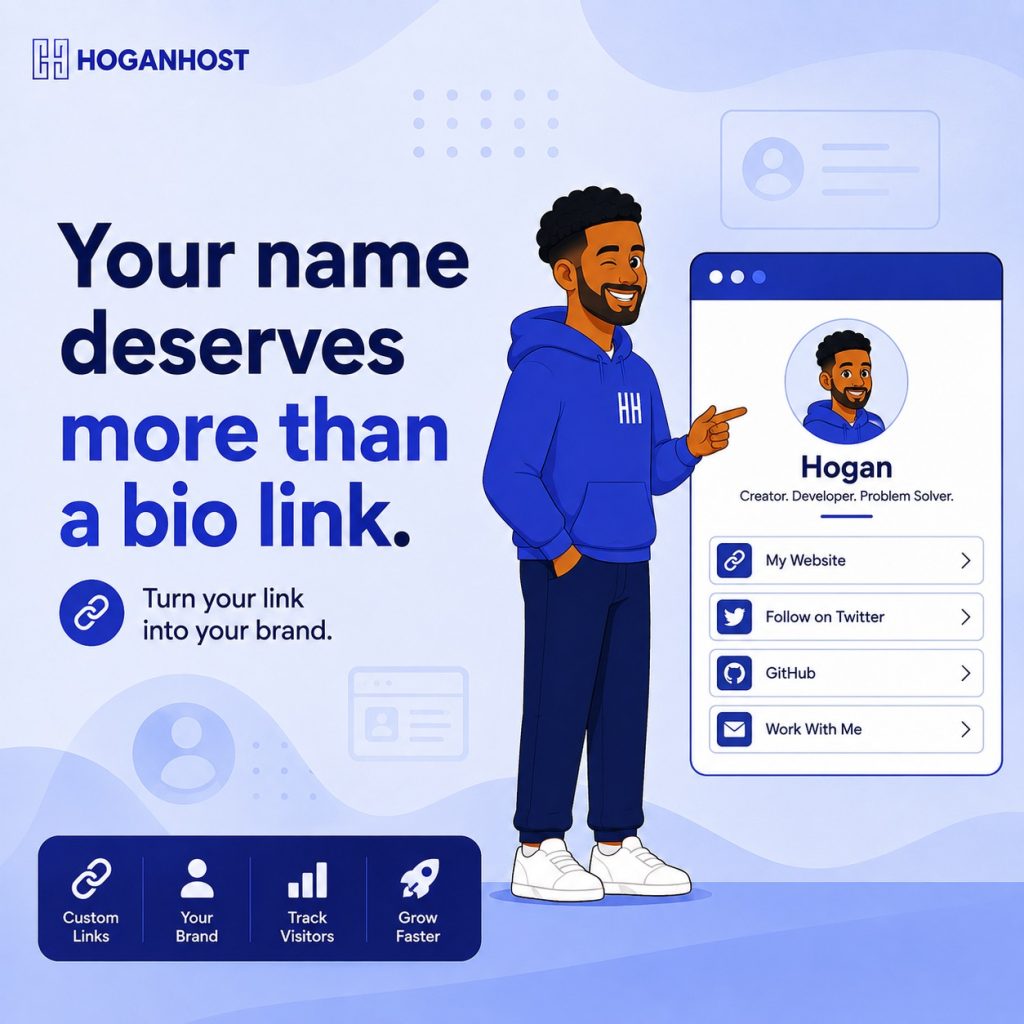
If you create content elsewhere- a blog, videos, social media- integrate this into your website rather than treating it as entirely separate. A dedicated content or blog section, or a well-organized links page pointing to your active platforms, helps visitors discover more of your work and strengthens your overall personal brand presence.
Step 9: Keep The Design Clean And Let Your Content Do The Talking
Since you are the actual focus of a personal brand site, avoid overly busy or distracting design elements that compete with your own presence and message. Clean typography, generous white space, and a restrained color palette let your photo, your writing, and your actual work take center stage, rather than getting visually crowded out by unnecessary design flourishes.
Step 10: Secure A Domain That Genuinely Matches Your Name Or Brand
For a personal brand, your domain name ideally matches your actual name or a closely related brand identifier you are known by. This makes your site easy to find directly, reinforces your personal brand consistently, and avoids the confusion of an unrelated domain name that does not connect clearly to who you actually are.
Step 11: Ensure The Site Works Beautifully On Mobile
Many visitors will discover your personal brand through a social media link or a shared recommendation, often clicked directly on a phone. Confirm your site looks polished and functions smoothly on mobile specifically, since this is very likely how a significant share of your visitors will first experience your personal brand.
Common Mistakes To Avoid
- Using generic, corporate-sounding language that undermines the personal authenticity a personal brand site depends on.
- Hiding behind a stock photo or illustration instead of your own genuine photo.
- Overloading the site with too many competing sections and messages.
- Neglecting mobile design, when many visitors will discover you through a mobile-shared link.
Designing a personal brand website means letting your genuine personality, real work, and actual voice come through clearly, rather than defaulting to generic corporate design patterns that undermine the very personal connection you are trying to build.
Ready to build a personal brand website that genuinely represents you? Get expert web design support from HoganHost and bring your personal brand online the right way.