
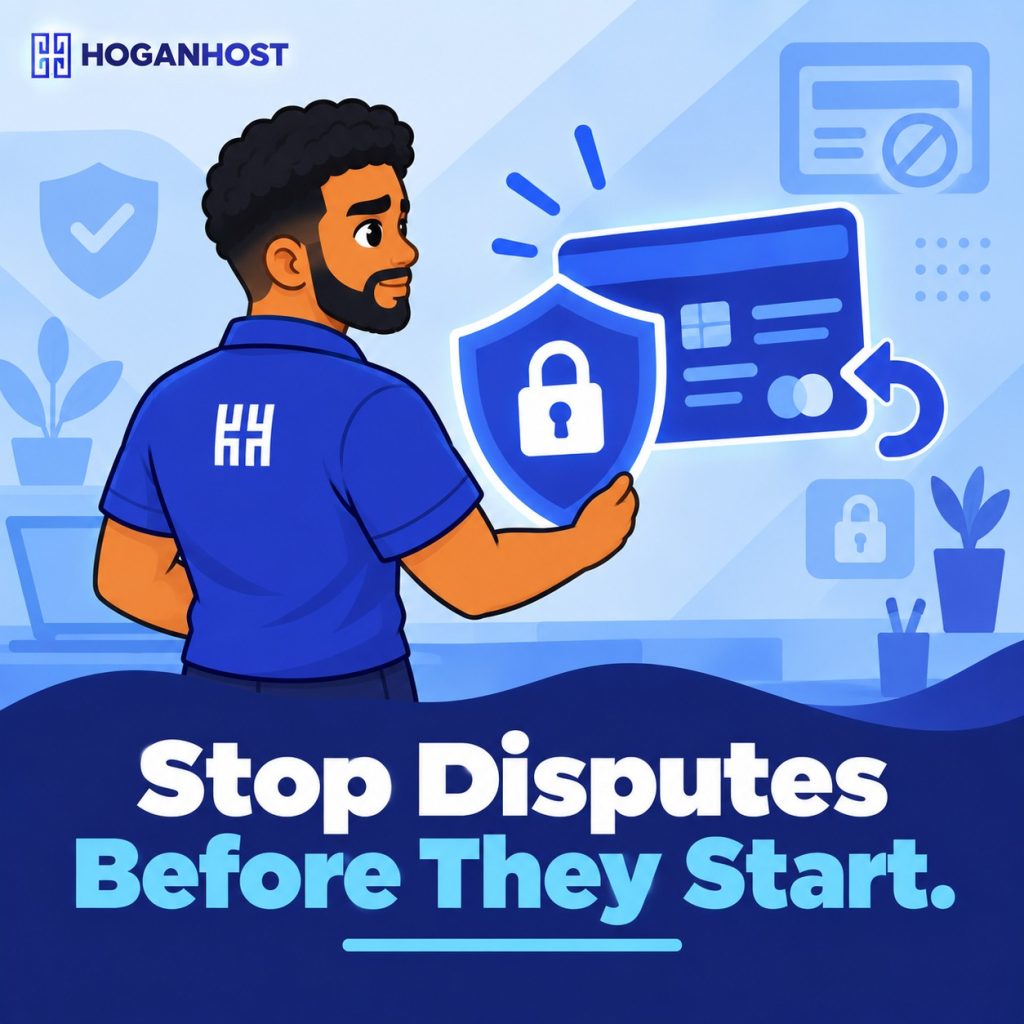
Money you already spent on inventory and shipping just got pulled back out of your account, without you agreeing to a refund. That’s a chargeback, and it’s one of the more frustrating realities of running an online store.
Chargebacks exist to protect customers from genuine fraud. Unfortunately, they also get used, sometimes by mistake and sometimes deliberately, in situations that have nothing to do with actual fraud.
What a Chargeback Actually Is
A chargeback is a forced reversal of a payment, started by the customer through their bank rather than through you. It’s different from a refund, which is something a merchant chooses to give. A chargeback happens whether you agree with it or not, at least until you dispute it.
How the Process Works With Nigerian Payment Providers
Using Flutterwave as an example, since it’s widely used across Nigerian online businesses, the process generally looks like this.
- The customer contacts their bank to dispute a transaction.
- The bank sends a chargeback request through the payment provider to you.
- A hold is placed on the disputed amount in your settlement balance.
- You review the claim and either accept it or respond with evidence.
- If you don’t respond in time, the amount gets debited automatically.
- If you do respond, the provider enters arbitration with the customer’s bank on your behalf.
Missing the response window is one of the most common ways businesses lose disputes they could have actually won.
Why Chargebacks Happen
- Genuine fraud, where a card was used without the owner’s permission
- Customers not recognizing the charge on their statement, often because of an unclear billing name.
- Products arriving damaged, late, or not at all
- Simple dissatisfaction, sometimes called friendly fraud, where a customer disputes a valid purchase instead of requesting a refund.
What a Chargeback Actually Costs You
It’s rarely just the transaction amount.
- The disputed amount itself, held or debited from your account
- A non-refundable dispute fee, charged whether you win or lose.
- Time spent gathering evidence and responding.
- A damaged relationship with your payment provider if disputes pile up, sometimes leading to higher fees or account restrictions
How to Reduce Chargebacks Before They Happen
- Use a clear, recognizable billing descriptor so your charge doesn’t look unfamiliar on a customer’s bank statement.
- Write accurate, detailed product descriptions so nobody feels misled after receiving an order.
- Respond to customer support messages quickly. Many disputes happen simply because a customer couldn’t reach you first.
- Keep clean records of every transaction, delivery confirmation, and customer conversation.
- Make refunds easy to request. A customer who can get a straightforward refund rarely bothers filing a dispute instead
- Use a secure, trusted payment gateway rather than an unfamiliar or informal payment method.
If a Chargeback Happens Anyway
Don’t ignore the notification. Gather your evidence quickly: proof of delivery, order confirmation, and any customer messages, then submit your response before the deadline. A well-documented, valid transaction has a real chance of being reversed in your favor.
Prevention Beats Fighting Every Dispute
The businesses that handle chargebacks well aren’t the ones that win every dispute. They’re the ones whose store and checkout process create so few legitimate disputes in the first place that chargebacks become a rare event instead of a constant drain.
A trustworthy, professional-looking store with clear product pages and an easy checkout goes a long way toward preventing disputes before they start. If your current store still feels confusing or unclear to first-time buyers, HoganHost’s web design team can rebuild it with the clarity and trust signals that keep both customers and chargebacks under control.