
The perfect domain for your business is sometimes already taken, sitting quietly in someone else’s account rather than available to register fresh. Buying it directly from that owner is entirely possible, but it involves handing over real money to a stranger before you actually control the asset, which is exactly where things can go wrong without the right precautions.
Escrow.com alone processed over 255 million dollars in domain transactions in just the first half of 2026, and that volume exists precisely because buyers and sellers need a safe, structured way to complete these deals.
Why This Transaction Carries Real Risk
A straightforward domain purchase from a registrar is simple because you are paying a trusted, established company directly. Buying from a private individual is different. You have no existing relationship with this person, and the transaction usually requires one side to trust the other first, whether that means paying before receiving the domain or transferring the domain before receiving payment.
Without a proper safeguard in place, either side can walk away after getting what they wanted, leaving the other with nothing.
Use an Escrow Service for Any Meaningful Purchase
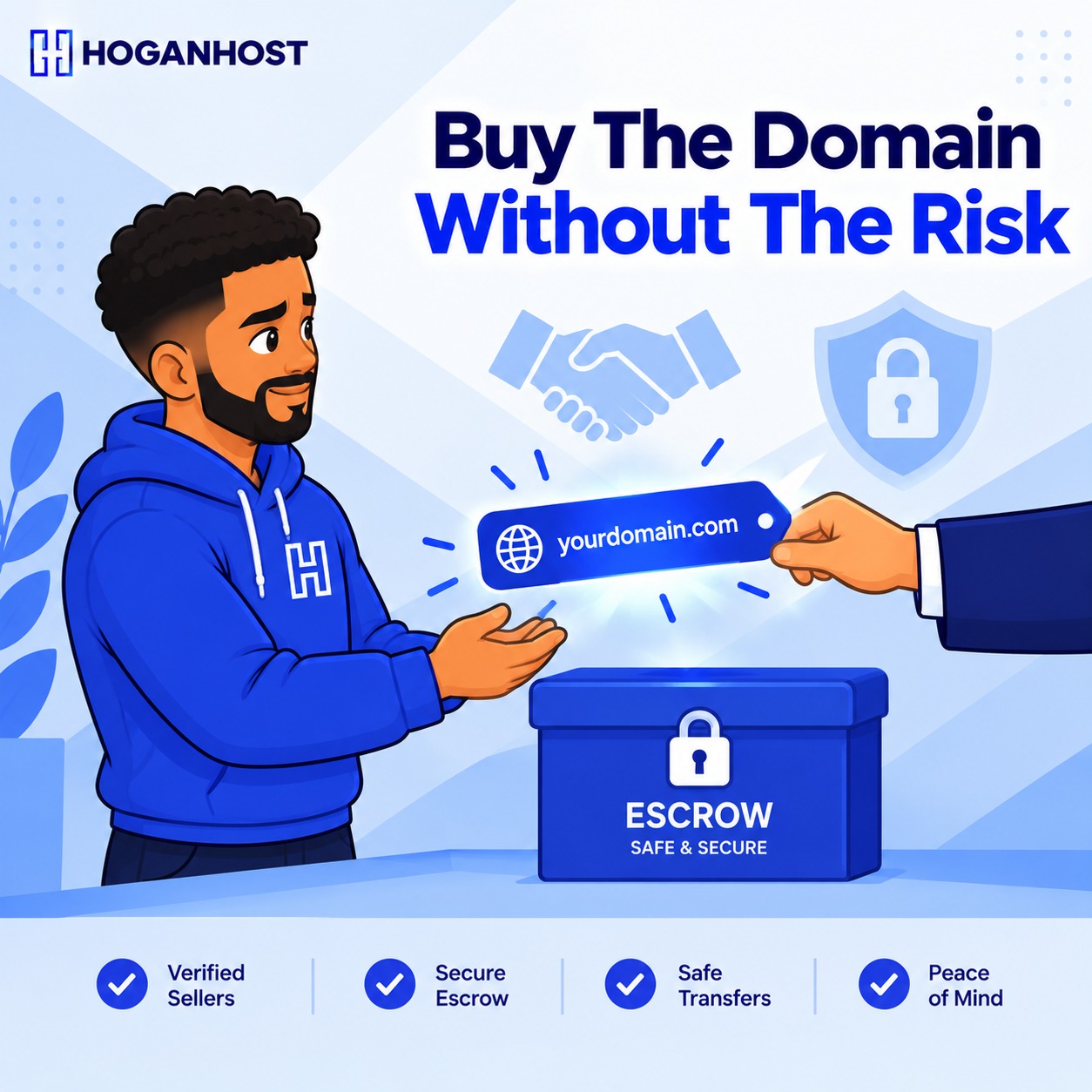
An escrow service acts as a neutral third party that holds your payment until the domain transfer is actually confirmed. This removes the trust problem entirely, since neither party has to simply take the other’s word for it.
Here is how the process typically works.
- Buyer and seller agree on terms and set up the transaction through the escrow service.
- The buyer sends payment to escrow, not directly to the seller.
- Escrow confirms the funds and instructs the seller to begin the domain transfer.
- The seller transfers the domain to the buyer, and escrow can verify this directly against the registrar’s ownership records.
- Once the buyer confirms receipt, escrow releases payment to the seller, typically minus a service fee.
Never wire money directly to an unknown seller for anything beyond a trivial amount. Escrow protects both sides, and reputable, well-established escrow services exist specifically for domain transactions.
Verify Ownership Before You Pay Anything
Before money changes hands, confirm the seller actually controls the domain they are offering to sell. A quick WHOIS lookup shows the registered owner information, and a legitimate seller should have no issue confirming their identity matches what is on file, or explaining clearly if a privacy service is masking those details.
Understand the Actual Transfer Process
Once payment clears through escrow, the technical transfer generally involves the seller unlocking the domain, providing an authorization code, and approving the transfer request at the registrar level. This is a standard, well-documented process, and most registrars, including the buyer’s chosen host, offer clear support for completing it correctly.
Expect this final technical step to take anywhere from a few hours to several days, depending on the registrars involved on both sides.
Watch for Warning Signs
A few patterns are worth treating as red flags before proceeding with any deal.
- Pressure to skip escrow or use an unfamiliar, unverified alternative payment method
- Reluctance to verify ownership or answer basic questions about the domain’s history
- A price that seems unrealistically low for a domain with genuine value, which can sometimes indicate the seller does not actually have clear rights to it
- Requests for payment through irreversible methods outside of a proper escrow arrangement
After the Domain Is Yours
Once the transfer completes, treat the domain the same way you would any newly registered asset. Update the registration contact information to your own details, set up auto-renewal so it does not accidentally lapse, and point it toward your hosting as soon as you are ready to launch.
A Quick Safety Checklist
- Use a reputable escrow service for the transaction, not a direct payment.
- Verify the seller’s ownership through WHOIS or direct confirmation.
- Confirm exactly how the technical transfer will happen before paying.
- Watch for pressure tactics or requests to bypass escrow.
- Update ownership and contact details immediately after the transfer completes
Getting the Domain Connected to a Real Website
Once you have safely secured ownership, the domain still needs solid hosting behind it to actually become the website you bought it for.
Ready to connect your newly purchased domain to reliable hosting? HoganHost’s domain services make it straightforward to point any domain, however you acquired it, toward hosting that keeps your new asset online and performing well.