
Launching a paid advertising campaign without understanding how your actual customers behave is a bit like aiming in the dark and hoping for the best. Money gets spent, some clicks arrive, but the results rarely match what a slightly more informed approach would have delivered for the exact same budget.
Understanding customer behavior does not require expensive research firms or complicated data science. Here is how a Nigerian small business can build this understanding practically before committing real advertising spend.
Start With Existing Customer Data
If a business has any existing customers at all, their actual behavior is the single richest source of insight available, and it costs nothing extra to examine. Review past orders, common questions in customer messages, and any feedback already received.
Look specifically for patterns. Which products or services get asked about most? What objections or hesitations come up repeatedly before someone actually buys? What time of day or week do most orders come in? These patterns directly inform smarter ad targeting and messaging before a single naira gets spent.
Understand the Actual Buying Journey
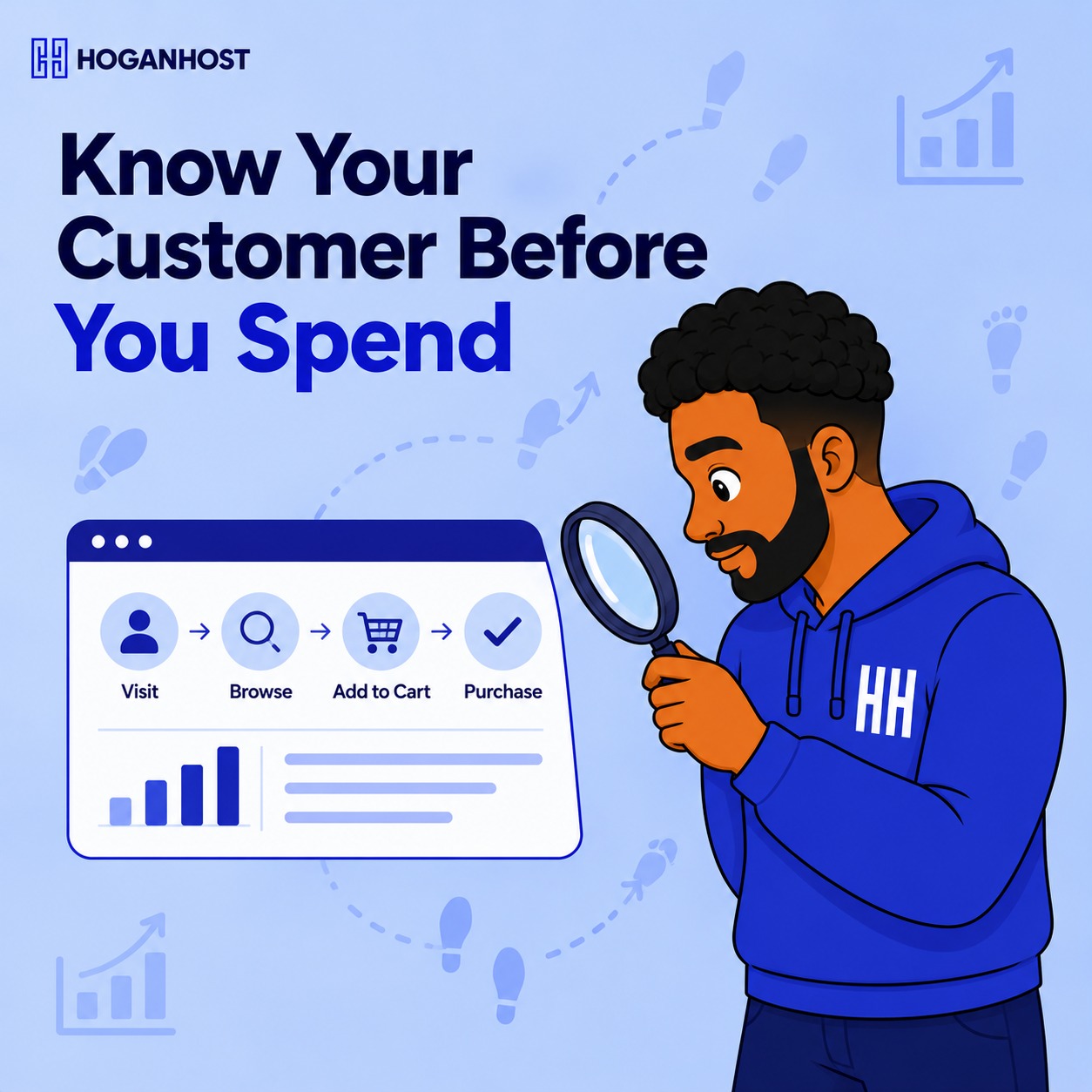
Most purchases, particularly anything beyond a simple impulse buy, involve multiple steps before a customer commits. They might first become aware of a need, then research options, compare a few alternatives, and finally decide.
Map out roughly where your specific product or service typically falls on this journey. A high consideration purchase, like furniture or a service contract, needs different messaging and a different advertising approach than a low consideration impulse purchase, like a snack or a small accessory.
Identify Where Customers Actually Spend Time Online
Advertising budget spent on a platform your actual customers rarely use is wasted regardless of how well crafted the ad itself is. A business serving working professionals might find LinkedIn or targeted search advertising more effective than a heavily visual platform aimed at a younger, more casual audience.
Ask existing customers directly, even informally, where they typically discover businesses like yours online. This single question often reveals more useful targeting insight than any amount of guessing based on general assumptions about a demographic.
Study What Objections Stop People From Buying
Understanding why someone does not buy is just as valuable as understanding why someone does. Common objections might include price concerns, uncertainty about product quality, unclear delivery timelines, or simple unfamiliarity with a new brand.
Ad campaigns and landing pages that proactively address these specific, real objections convert significantly better than generic ads that simply describe product features without acknowledging the actual hesitation a potential customer feels.
Recognize That Different Customers Need Different Messages
A single generic ad rarely resonates equally well across an entire potential customer base. Price-sensitive customers respond to different messaging than quality-focused customers, and first-time buyers need different reassurance than repeat customers already familiar with a brand.
Segmenting even loosely, based on what different types of customers seem to care about most, allows advertising messaging to speak more directly and convincingly to each specific group rather than diluting the message trying to appeal to everyone equally.
Test Small Before Committing a Full Budget
Before spending a significant advertising budget based on assumptions, run a small test campaign with a modest budget specifically designed to validate or challenge those assumptions. A week or two of small scale testing reveals whether the targeting, messaging, and platform choices actually match real customer behavior, rather than discovering this only after a much larger budget has already been spent.
Use Free Analytics Tools Already Available
Website analytics, even basic free tools, reveal genuinely useful behavior patterns: which pages visitors spend the most time on, where they tend to drop off before completing a purchase, and which traffic sources actually convert into customers versus simply generating clicks without follow through.
This data, gathered before or alongside a paid campaign, sharpens targeting and messaging decisions considerably compared to launching based purely on assumption.
Revisit and Refine Understanding Continuously
Customer behavior is not static. It shifts with seasons, economic conditions, competitor activity, and evolving platform trends. Understanding built once and never revisited eventually becomes outdated, even if it was accurate when first gathered.
Regularly reviewing actual campaign performance data against original assumptions keeps targeting and messaging aligned with how customers are actually behaving right now, rather than how they behaved months or years earlier.
Getting Structured Support for Customer Research and Ad Strategy
Building a genuinely informed advertising strategy takes time and a structured approach that many small business owners struggle to prioritize alongside daily operations.
HoganHost’s digital marketing services help Nigerian businesses research actual customer behavior and build advertising campaigns grounded in real data rather than assumptions, making every naira of ad spend work harder toward an actual return.
Spending on ads without understanding customer behavior first is not necessarily wasted, but it is almost always less effective than it could be. A little upfront understanding consistently pays for itself many times over in improved campaign performance.