
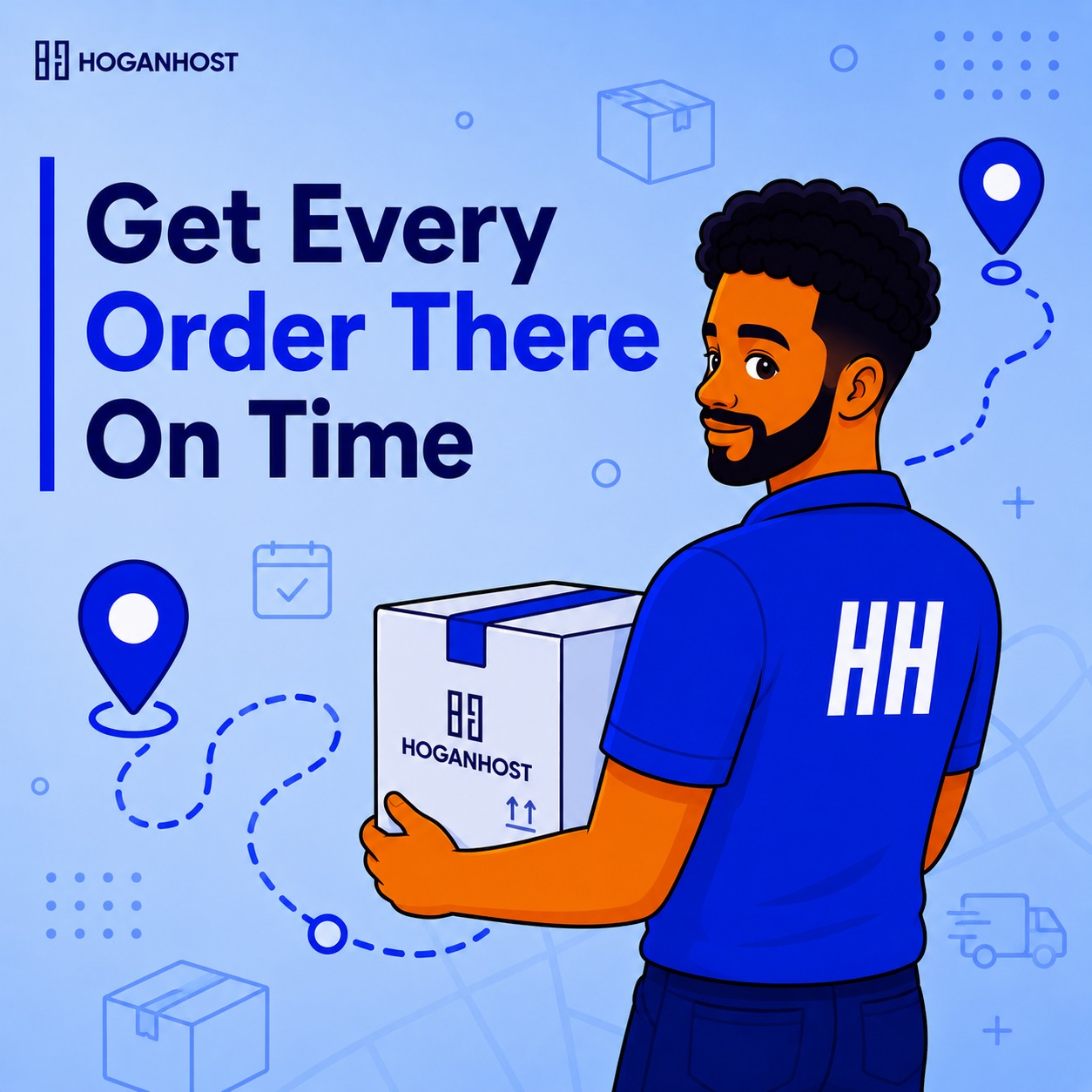
The product can be perfect and the website flawless, but if an order arrives late, damaged, or not at all, none of that matters to the customer left waiting. Delivery and logistics quietly determine whether a new online business earns repeat customers or a wave of complaints during its most vulnerable early months.
Most new business owners underestimate how much planning logistics actually needs until the first wave of real orders arrives. Here is how to set it up properly from the start.
Decide on a Delivery Approach Before Orders Start Coming In
Waiting until the first sale to figure out delivery is a common and costly mistake. Decide in advance whether you will handle delivery personally, hire a dedicated rider, use a third-party courier, or rely on a mix depending on location.
For a business just starting out with low order volume concentrated in one city, personal or in-house delivery keeps costs low while volume is still manageable. As order volume grows or expands geographically, a courier partnership usually becomes necessary to keep up.
Choose Courier Partners Carefully
Not all Nigerian courier and logistics companies offer the same reliability, coverage, or pricing. Research a few options based on the specific cities or regions your customers are actually in, since coverage quality varies significantly by location.
Ask about typical delivery timeframes, how damaged or lost packages are handled, and whether they offer tracking that can be shared directly with customers. A courier partner without reliable tracking creates unnecessary customer service headaches when a delivery runs late.
Package Products Properly
Poor packaging is one of the most preventable causes of damaged goods and unhappy customers. Invest in appropriately sized boxes or mailers, adequate cushioning for fragile items, and clear labeling that matches exactly what the courier or delivery service requires.
A slightly higher packaging cost upfront is almost always cheaper than replacing damaged goods and managing an unhappy customer after the fact.
Set Realistic Delivery Timeframes
Promising next-day delivery everywhere in Nigeria when your actual capability only supports that within one city sets an expectation you cannot consistently meet. Be honest and specific about delivery timeframes by location, even if that means admitting some areas take longer than others.
Customers generally tolerate a longer delivery window far better than a broken promise of a faster one.
Communicate Proactively About Delivery Status
Customers left in the dark about where their order is tend to assume the worst. Send order confirmation, dispatch notification, and delivery confirmation messages at each stage, even if it is a simple automated message through WhatsApp or email.
This single habit reduces a significant share of customer complaints, since much of the frustration around delivery comes from uncertainty rather than the delay itself.
Plan for Failed Deliveries
Failed delivery attempts happen regularly, whether from wrong addresses, unavailable customers, or unreachable phone numbers. Decide in advance how failed deliveries will be handled, whether that means a second attempt, a pickup alternative, or a clear refund and return policy.
Having this policy written down before it is needed prevents an awkward, improvised response during an actual customer dispute.
Track Costs Carefully From the Start
Delivery costs can quietly erode profit margins if they are not calculated accurately into pricing from the beginning. Track actual delivery costs per order, per zone, and adjust pricing or delivery fees as real data comes in, rather than guessing based on rough estimates.
Building Logistics Into a Growing Online Store
As order volume increases, the website itself needs to keep pace with logistics complexity, integrating shipping calculators, order tracking, and reliable checkout that does not fail during busy periods.
HoganHost’s web hosting plans provide the reliable infrastructure a growing Nigerian online store needs to handle increasing order volume without technical issues compounding the logistics challenges already in play.
Logistics is rarely glamorous, but it is often the quiet difference between a new online business that earns repeat customers and one that loses them after a single disappointing delivery experience.